
What Determines the Cost of a Donor Recognition Wall?
Organizations planning a donor recognition wall often begin with the same question: “How much does it cost?”
The answer is that donor recognition walls vary widely in investment because no two projects are exactly alike. Just as a building project depends on its size, materials, and complexity, the cost of a donor recognition wall is influenced by a variety of factors unique to each organization’s goals, space, and donor recognition needs.
Understanding these factors can help you establish a realistic budget and ensure your recognition display continues to serve your organization for years to come.
1. The Size of the Recognition Display Effects the Cost of a Donor Wall
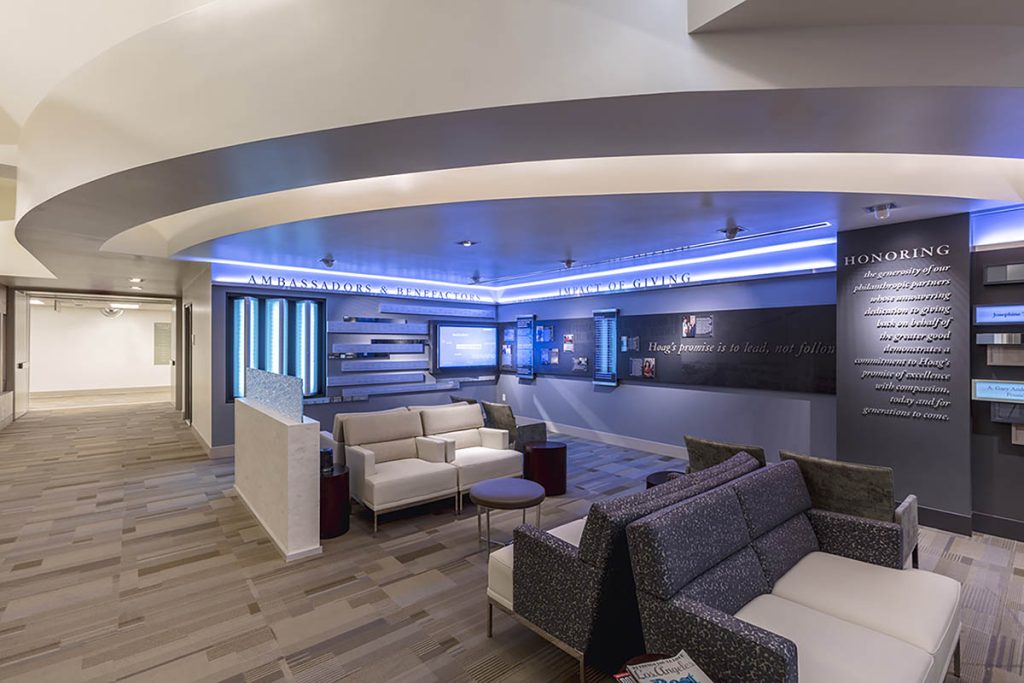
One of the most obvious factors affecting cost is the physical size of the donor recognition wall.
A small display recognizing a limited number of donors will generally require fewer materials and less fabrication than a large recognition environment spanning an entire lobby or corridor. Larger displays often involve additional design considerations, structural support requirements, and installation planning.
However, size alone does not determine the overall investment. Two donor walls of similar dimensions can differ significantly based on the factors discussed below.
2. The Number of Donors Being Recognized On Your Donor Recognition Display
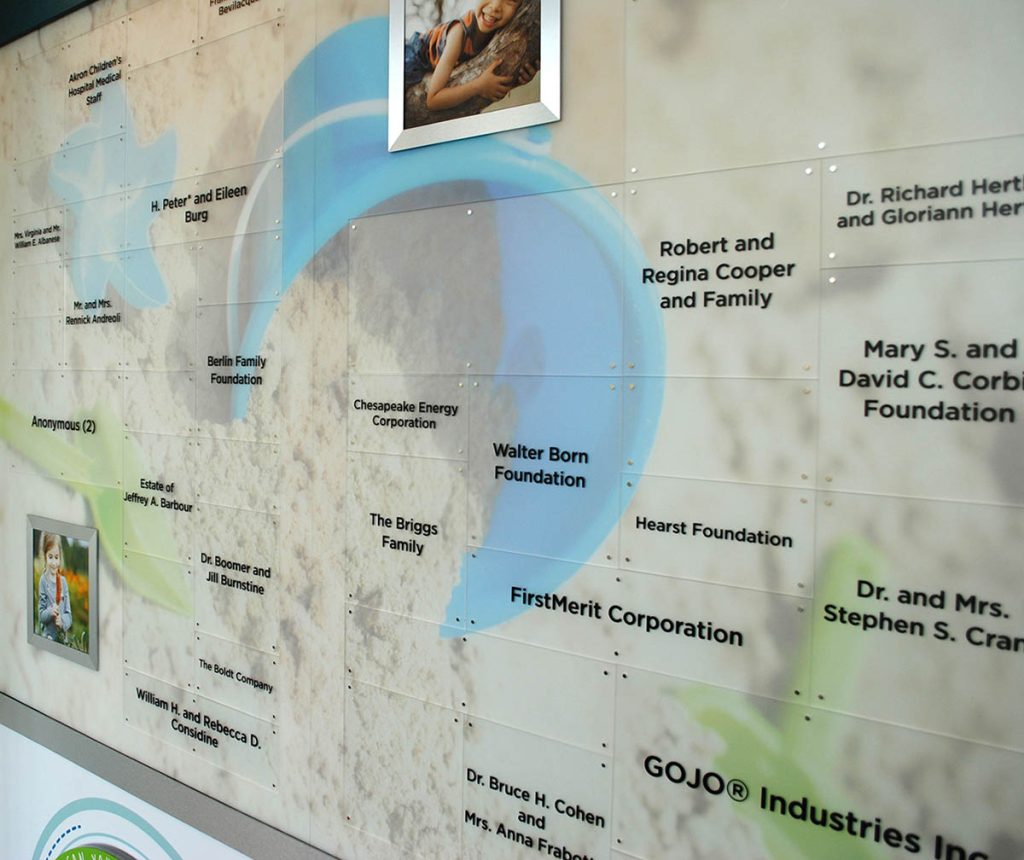
The quantity of donor names included on the display can significantly impact both design and fabrication.
Projects recognizing dozens of donors may require a relatively straightforward layout. Projects recognizing hundreds or thousands of donors often require more sophisticated design solutions to maintain readability, organization, and visual appeal.
Additional donor categories, giving levels, naming opportunities, and recognition societies can also increase complexity.
3. Material Selection Will Change the Cost of a Donor Recognition Wall
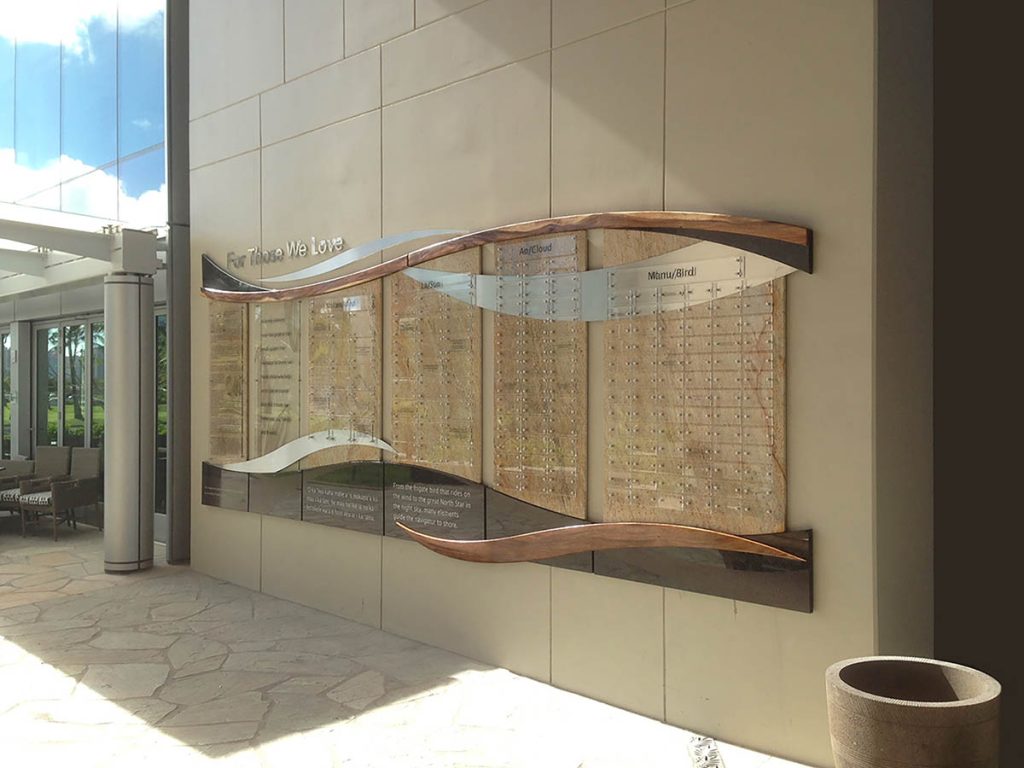
Material choice plays a major role in the overall cost and longevity of a donor recognition wall.
Common materials include:
- Acrylic
- Aluminum
- Stainless steel
- Glass
- Granite
- Corian®
- Specialty Wood
- Laminates
- Specialty architectural materials
Each material offers different benefits related to durability, appearance, maintenance requirements, and customization options.
For example, an outdoor donor recognition display may require materials specifically engineered to withstand sunlight, moisture, temperature fluctuations, and other environmental conditions.
4. Static, Digital, or Hybrid Recognition
Today’s organizations have more recognition options than ever before.
Static Recognition
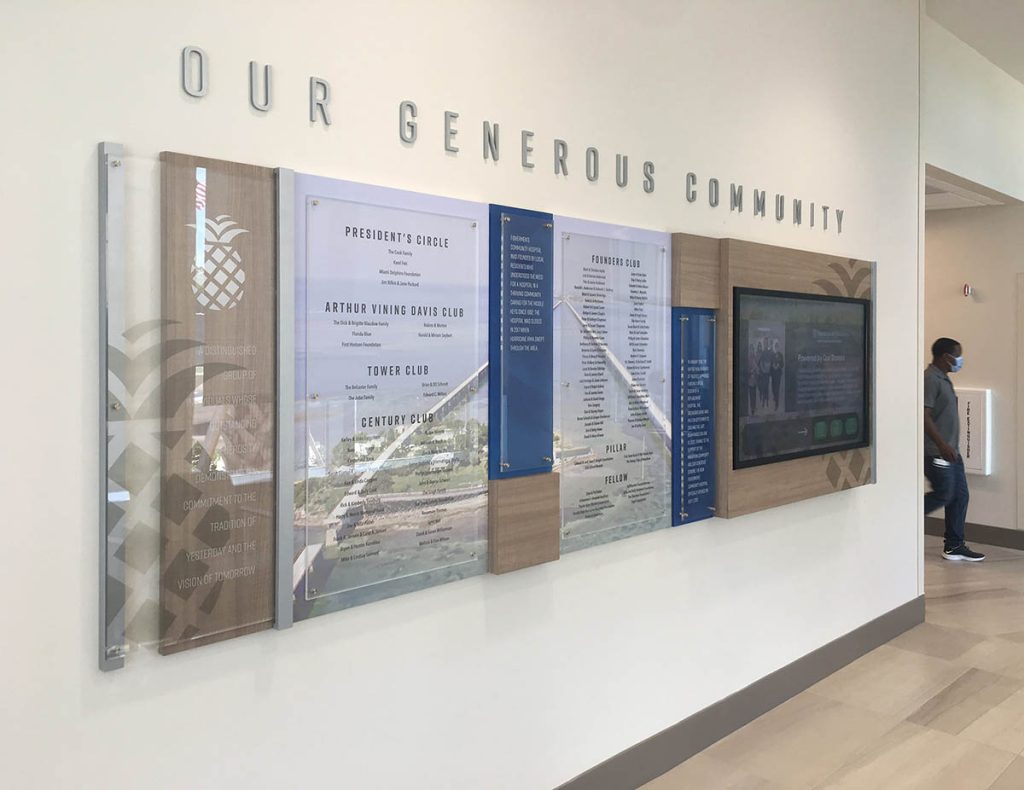
Traditional donor walls use permanently fabricated donor names, changeable donor names and recognition elements. These systems can provide a timeless appearance and often become architectural focal points within a facility.
Digital Recognition
Digital donor recognition systems offer flexibility and can display significantly more information within a smaller footprint. They can be updated electronically and may include photos, videos, donor stories, and interactive content.
Hybrid Recognition
Many organizations choose a hybrid approach that combines permanent or changeable recognition elements with digital components. This solution can offer the best of both worlds while supporting future growth and flexibility.
The chosen recognition method often has a substantial impact on project complexity and investment.
5. Future Update Requirements Are Important for Donor Recognition Wall Planning
One of the most important considerations is how the donor wall will be updated over time.
Questions to consider include:
- Will donor names be added regularly?
- Will giving levels change?
- Is future expansion anticipated?
- Will donor categories evolve?
Displays designed for easy updates often require additional planning during the design phase but can save considerable time and expense throughout the life of the system.
Organizations that overlook future update requirements frequently discover that modifying their recognition display becomes difficult and costly later.
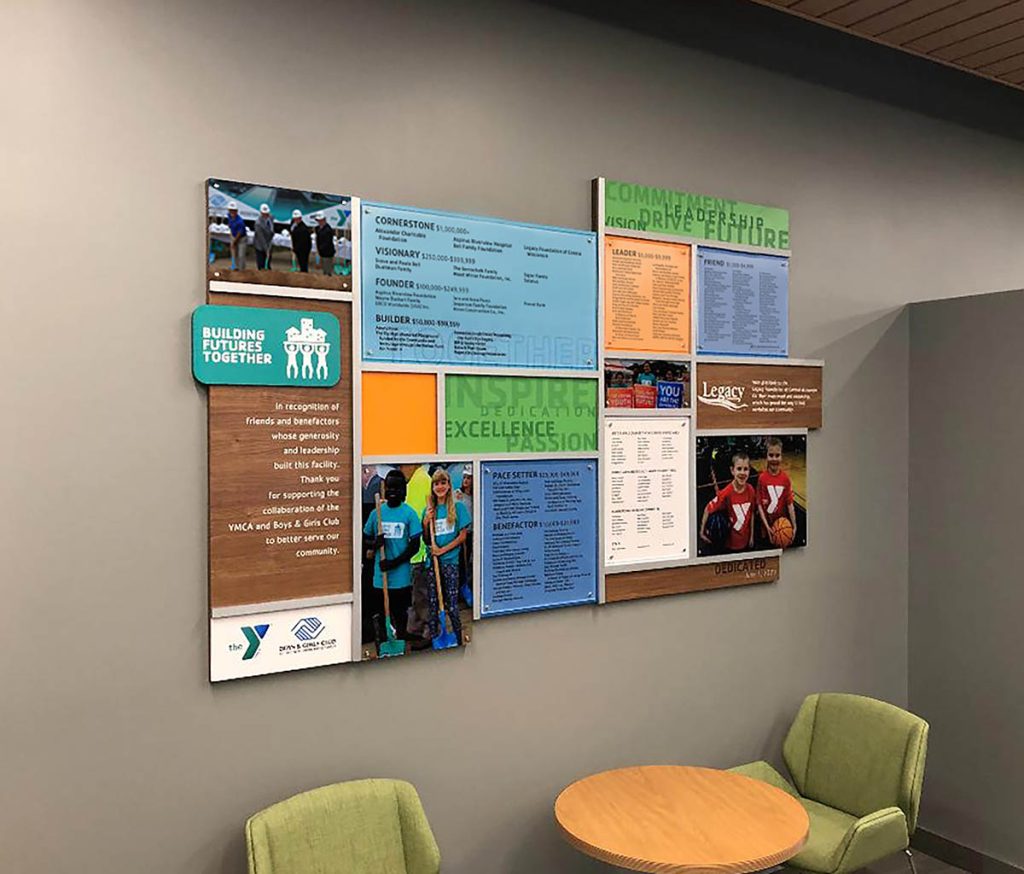
6. Architectural Integration
Some donor recognition walls function as standalone displays, while others become integrated architectural features.
Architectural integration may include:
- Custom wall treatments
- Built-in lighting
- Dimensional elements
- Branded environments
- Specialty finishes
- Unique mounting solutions
These customizations can create a more immersive donor experience while increasing project complexity.
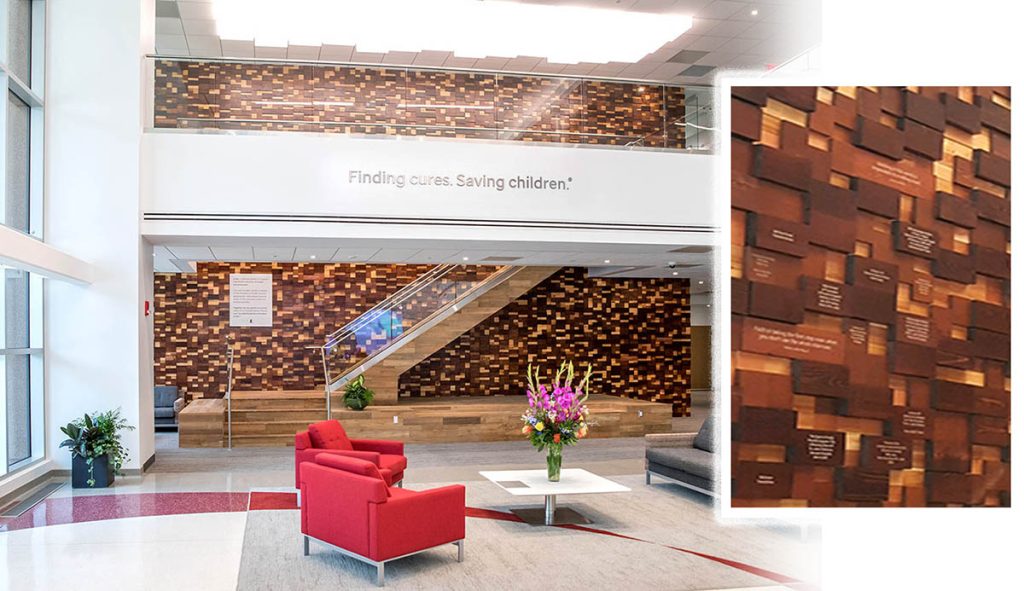
7. Installation Considerations
Installation conditions can significantly influence project requirements.
Factors may include:
- Multi-story installations
- Suspended displays
- Historic buildings
- Glass walls
- Limited site access
- Existing architectural constraints
Each environment presents unique challenges that must be addressed during design, fabrication, and installation.
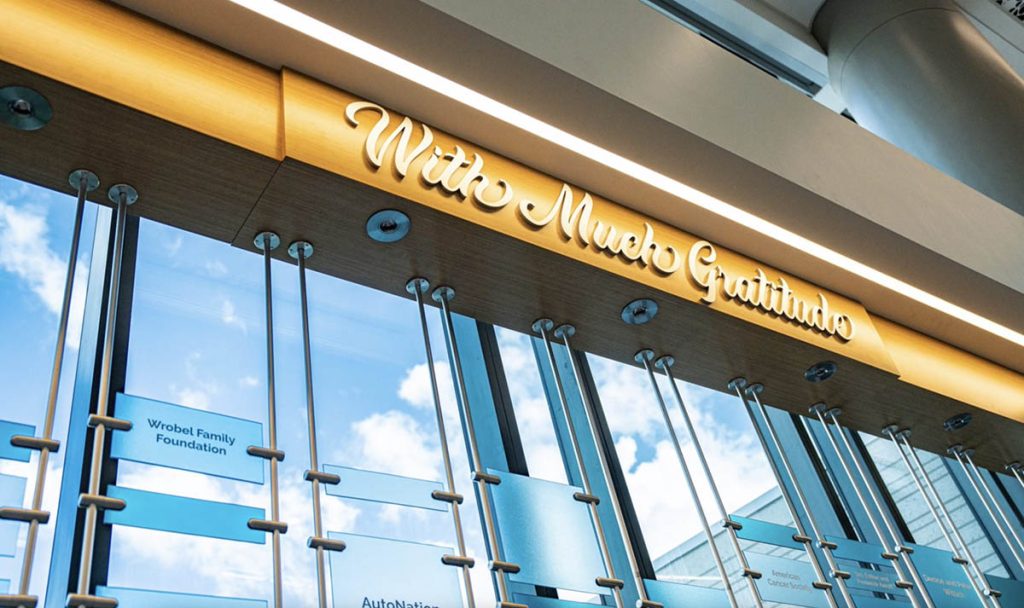
8. Indoor vs. Outdoor Applications
Outdoor donor recognition walls require additional consideration beyond aesthetics.
Environmental conditions such as:
- UV exposure
- Rain and moisture
- Wind
- Temperature fluctuations
- Corrosion
can influence material selection, fabrication methods, and long-term maintenance requirements.
Choosing materials designed specifically for outdoor performance can help protect the organization’s investment while ensuring long-term readability and appearance.
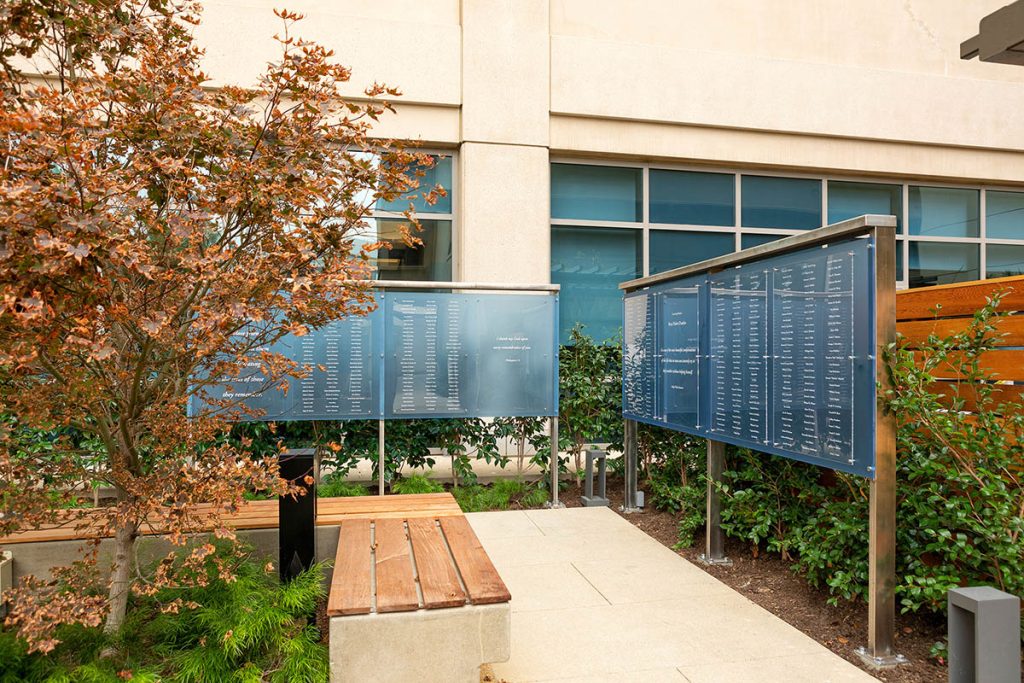
9. Fabrication Complexity Will Impact Your Donor Recognition Wall Cost
Not all donor recognition walls are built the same way behind the scenes.
While some displays consist of relatively straightforward panels and donor name elements, others involve extensive custom fabrication, layered construction, specialty finishes, intricate graphics, dimensional components, or unique engineering requirements.
Factors that can increase fabrication complexity include:
- Multiple material types within a single display
- Dimensional or sculptural elements
- Custom-shaped components
- Integrated lighting
- Precision-cut graphics and donor names
- Hidden mounting systems
- Suspended or freestanding structures
- Interactive or movable components
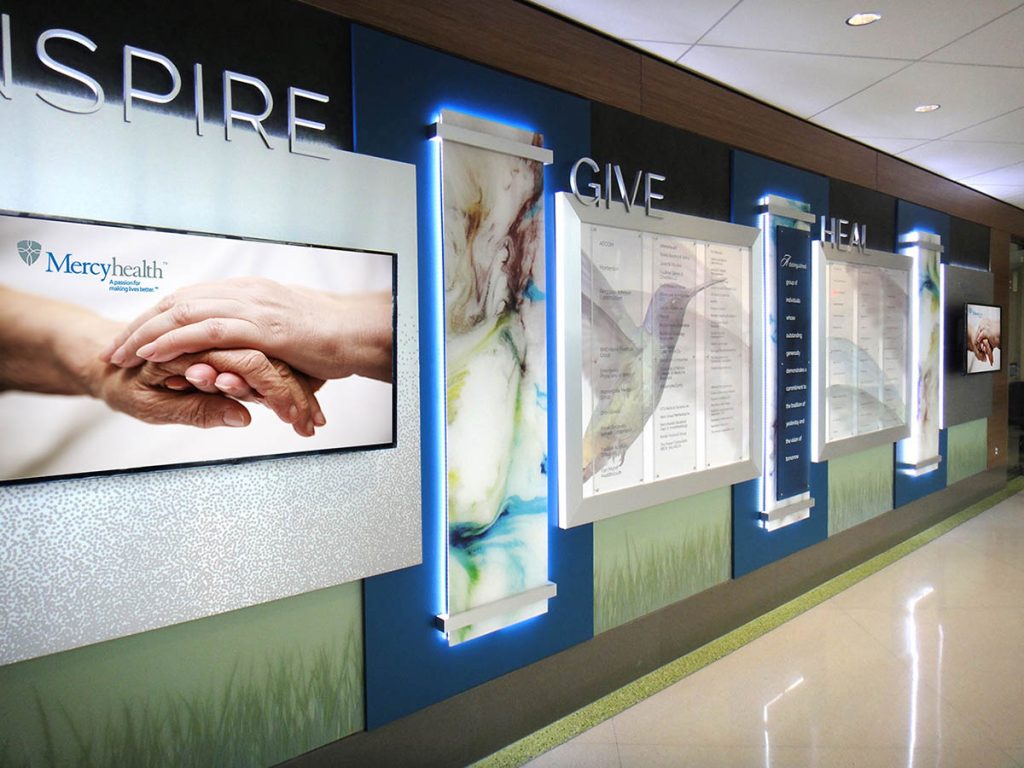
For example, a donor recognition wall designed to appear as a seamless architectural feature may require significantly more fabrication planning and craftsmanship than a simple wall-mounted display.
Complex fabrication often results in a more distinctive donor experience and can transform recognition into a memorable visual centerpiece within a facility. Understanding the level of fabrication involved helps organizations better evaluate design options and balance aesthetics, functionality, and long-term value.
Focus on Long-Term Value
While many organizations begin by asking about cost, a more valuable question may be:
“How can we create a donor recognition system that serves our organization for the next 10 to 20 years?”
The most successful donor recognition projects balance aesthetics, functionality, durability, and future growth. A thoughtfully planned system can continue recognizing donors, supporting fundraising efforts, and enhancing the donor experience long after its initial installation.
Because every organization’s goals and space are unique, understanding the factors that influence donor recognition wall costs is often more valuable than comparing generic price ranges.

Ready to Start Planning?
Whether you’re considering a traditional donor wall, a digital recognition display, or a hybrid solution, early planning can help ensure your recognition program supports both your current needs and future growth.
PIR works with healthcare organizations, educational institutions, nonprofits, museums, and community organizations nationwide to design donor recognition environments that inspire generosity, celebrate impact, and evolve alongside their fundraising goals.
Contact us to get started on your next project!